

Dimensions
| Art. No. | Size [mm] | Grain sizes | |
| SPXLS825 1) | * | 15.9×9.5×152.4 | C, M, F, P |
|
* no stock item
|
|||
|
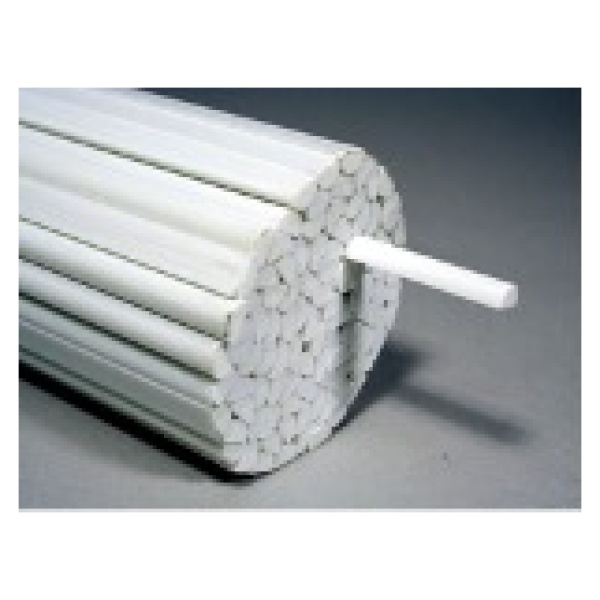
C = Coarse grit – fast cutting. M = Medium grit – normal, used for high mica ridges, grooves and burn marks. F = Fine grit – for use following one of the coarse stones or periodic use to remove small imperfections and burn marks as they appear. P = Polishing – very fine grit for fine sanding.
|
|||
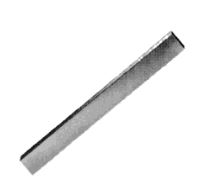
Especially suitable for small motors, Handle 254 mm long
| Art. No. | Size [mm] | Grain sizes | |
| SPX950 1) | * | 19.1×12.7×9.5 | A, D, |
|
* no stock item 1)
|
|||
|
A = medium D = fine -> for polishing
|
|||
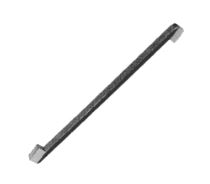
Tips for choosing the right size of Grindestones
The dimensions of the grindstones are always given in length x width x height (LxWxH). The largest possible grinding surface should always be used for each machine (length x width). The height (H) of the grinding stone is determined by the diameter ratios of the commutator and housing. Commutator whetstones (article no. SPXxx): The grindstone should have a width (B) that covers at least ¾ of the length of the flaps as long as it fits comfortably between the brush yokes. For normal operation, three or four different sizes should suffice for each operation. Once the approximate dimensions have been determined, the next most suitable article no. can be selected.